The Introduction
Mrs Menon first entered my life on a rain-soaked Thursday evening in Bloomsbury, introduced with casual brevity by an old university friend who treated the encounter as if he were recommending a discreet accountant or an obscure wine merchant.
"You write those Hari Vandra espionage novels, don't you?" he had said over whisky. "You should speak to Mrs Menon. She knows things."
At the time, I assumed he meant the kind of cultivated political knowledge common among South Asian émigrés in London retired diplomats, policy advisers, old journalists with fading Delhi contacts. I was wrong.
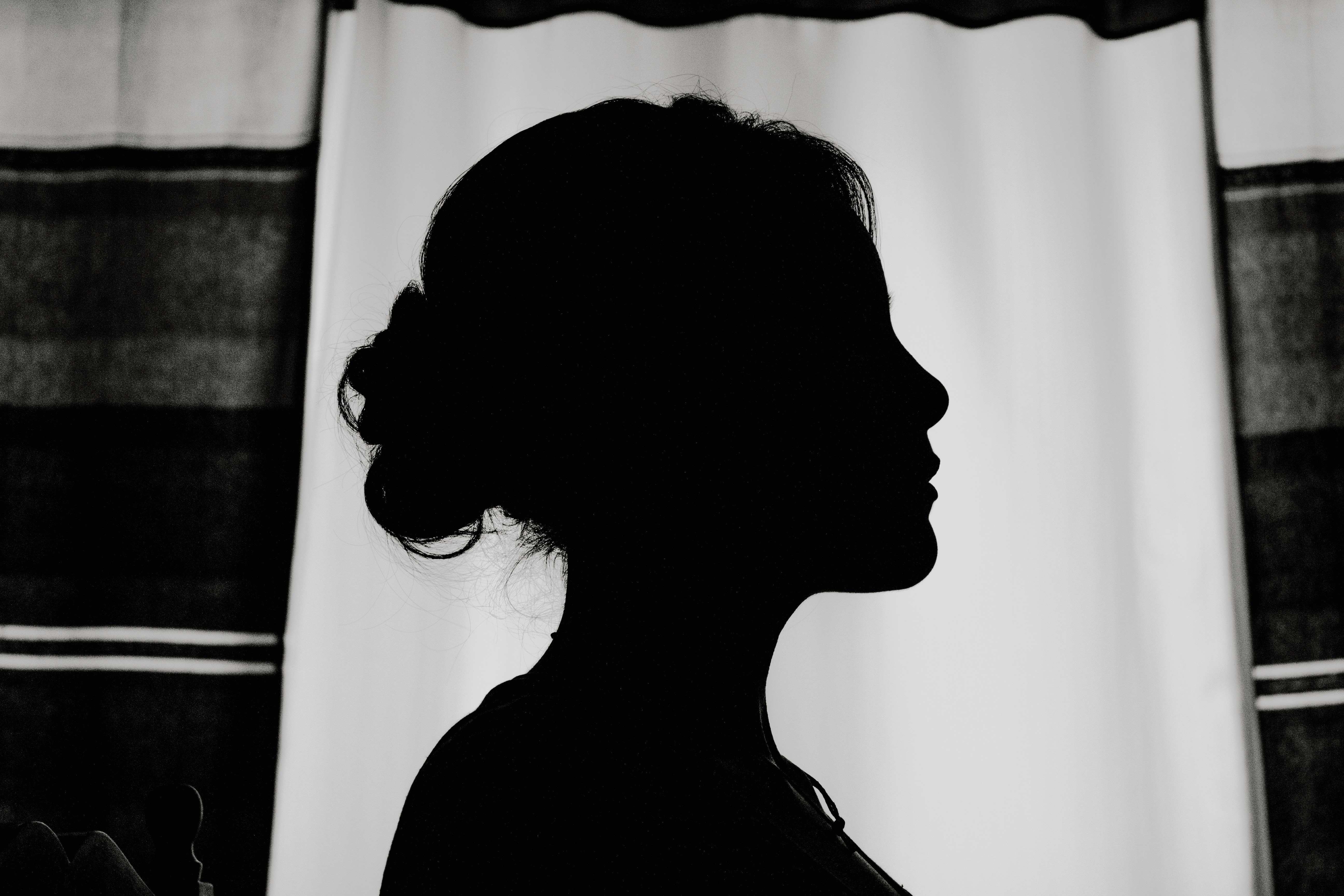
She was perhaps in her late fifties, though there was something deliberately unplaceable about her age. A Malayali woman with silver beginning to thread through thick black hair, always pinned immaculately into a low bun. Her saris were understated and expensive: charcoal Kanjeevarams, dark indigo silks, muted greys that absorbed light rather than reflected it. She wore no jewellery beyond a thin gold wedding chain and a square-faced watch that looked military in its severity.
What I remember most were her eyes. Calm. Evaluative. Patient in the manner of someone accustomed to waiting through interrogations and political upheavals alike.
She never spoke loudly. People lowered their voices around her instinctively.
The Meetings
Our meetings became habitual. She would summon me to anonymous hotel lounges near Victoria Station, old tea rooms in Kensington, or private members' clubs whose brass plaques revealed nothing of the people inside. She always arrived precisely on time. Always alone.
When I struggled with operational detail in my manuscripts, she would correct me with faint amusement.
"No competent field officer would carry documents physically through Heathrow unless absolutely necessary."
Or:
"A dead drop is only romantic in novels. In reality it is exhausting, vulnerable, and often wet."
She spoke about surveillance culture in Berlin, unofficial diplomatic channels in Nairobi, sleeper assets in Toronto, and covert funding networks moving through Dubai with the dry fluency of lived experience. Yet she never sounded theatrical. There was no performance in her knowledge. Only precision.
Sometimes she disappeared for weeks. Then she would re-emerge without explanation, carrying the faint scent of airport terminals and sandalwood soap. Once I noticed bruising beneath the sleeve of her blouse. Another time she arrived limping slightly, though she denied anything was wrong.
"Merely age," she said.
But she did not move like an old woman. She moved like someone trained never to expose weakness.
The Revelation
The revelation itself came without drama.
We were seated in a dim corner of a hotel bar near Westminster during a November storm. Rain struck the windows with such force that London beyond the glass looked submerged. I had been complaining about reviewers who accused my novels of exaggerating Indian intelligence capabilities.
Mrs Menon listened quietly. Then she stirred her tea once and said:
"You underestimate what India became after 2008."
I laughed. "You speak as if you were in the room."
"I often was."
There was no irony in her expression. For the first time since knowing her, I felt genuinely cold.
"I work for the Research and Analysis Wing," she said softly. "Though nobody sensible calls it RAW internally anymore."
The words settled between us with terrifying calm.
London, she explained, remained one of the agency's most important foreign theatres. Diaspora politics, financial flows, separatist organisations, rival intelligence activity, technology acquisition — all of it mattered. Then she added something stranger.
"It is also part of my remit to assist certain writers and artists."
I must have looked bewildered.
"Narratives matter," she said. "Countries understand this now. Stories shape perceptions long before policy does."
Outside, thunder rolled above Whitehall. She explained nothing further. And somehow that made it worse.
What She Left Behind
After that night, every previous conversation rearranged itself inside my memory with sinister clarity. Her corrections. Her disappearances. Her immaculate emotional control. The way she never answered direct personal questions.
I realised I knew almost nothing about her. I did not know whether she had children. I did not know whether "Menon" was even her real surname. I did not know how many languages she spoke, though I had once heard her move seamlessly between English, Malayalam, Hindi, and what sounded disturbingly like Russian during a brief phone call.
There were rumours too. A retired MI5 contact once asked me, very casually, how well I knew "that Indian lady." Another journalist warned me never to discuss Mrs Menon over unsecured calls. A diplomat at a reception visibly blanched when I mentioned her name.
Yet she herself remained courteous, restrained, almost maternal at times. Mrs Menon could discuss classical Carnatic music for an hour with scholarly tenderness, then calmly explain how intelligence services psychologically dismantled dissidents abroad. She inhabited moral ambiguity with terrifying elegance.
Even now, when I sit alone writing Hari Vandra deep into the night, I sometimes hear her voice correcting a sentence behind my shoulder.
"Too cinematic."
Or:
"No professional operative would admit fear aloud."
And occasionally I wonder whether our friendship itself was merely another operation — a long cultivation exercise conducted with exquisite patience by a woman trained never to reveal the full truth.
But then I remember her rare smiles. And I think perhaps, beneath all the secrecy and statecraft and darkness, Mrs Menon genuinely loved stories.
Perhaps that was the only honest thing she ever told me.